
Digital Transformation | eCommerce
Shop.StElizabeth.com
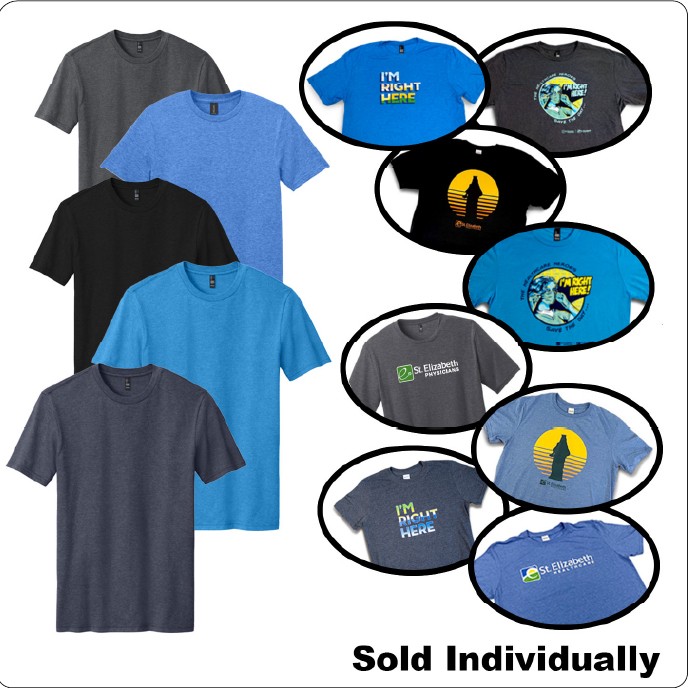
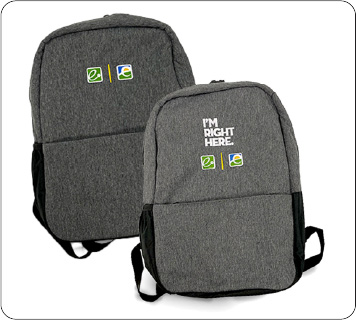
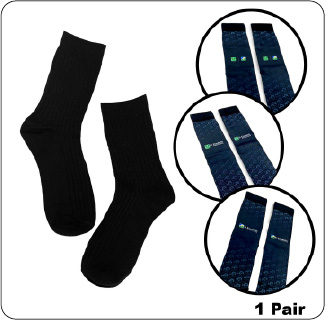
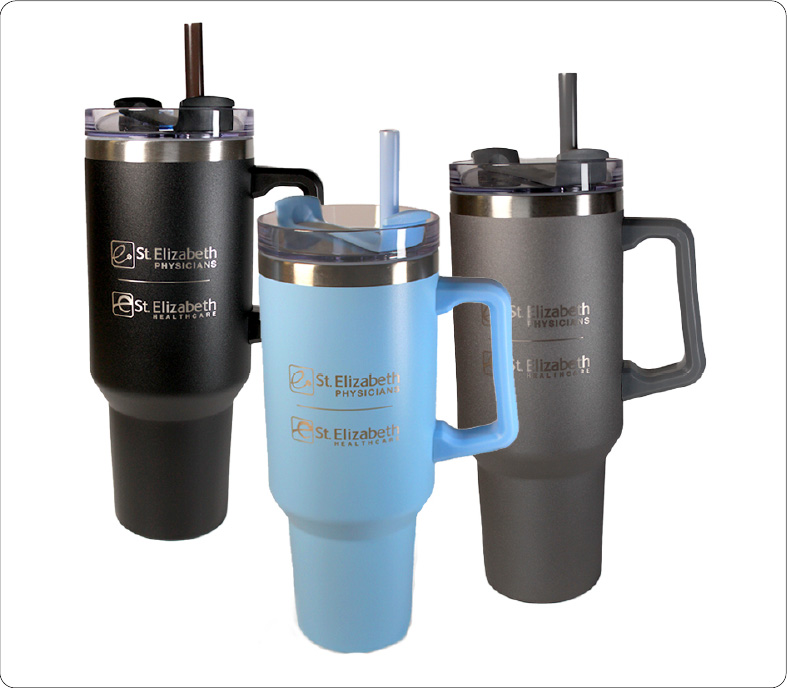
What had been scattered and time‑consuming became a centralized, systemwide solution. The new eCommerce platform reduced costs, improved delivery speed, and gave every team a dependable way to order branded materials.

Context
The Operational Challenge
Before the eCommerce program existed, every request for branded items was manual, slow, and expensive. Each order required multiple rounds of clarification, sample reviews, pricing negotiation, and individual purchasing approvals. Small orders cost significantly more than bulk orders, and delivery often took weeks to months. As St. Elizabeth continued to grow, the volume of these one-off requests increased across every service line. The system was spending millions of dollars on small, uncoordinated purchases that were not standardized, not branded correctly, and not routed through proper procurement channels. The process consumed substantial time across Marketing, Finance, Supply Chain, and every requesting department. I saw an opportunity to create a centralized, scalable, cost-efficient way to manage branded materials across the entire organization.
Action
Building a Scalable System
I began by buying high-volume items in bulk to reduce cost and speed up delivery. Bulk purchasing immediately cut costs by more than 50%, saving tens of thousands of dollars in the first order alone. But storing and manually distributing inventory from Marketing workrooms was still inefficient and unsustainable.
To solve the problem, I led a full RFP process to select a long-term partner and then designed the internal systems that became the foundation of Shop.StElizabeth.com.
Key components included:
- Warehouse fulfillment to eliminate on-site storage and manual distribution
- A custom eCommerce site where associates log in, select items, and check out using their department cost center
- Automated budget routing into Marketing’s dedicated GL code
- Pre-loaded cost centers, addresses, and user IDs so orders require no manual entry
- Annual bucket purchase orders to eliminate repeated requisition cycles
- A structured SKU architecture covering logo entity, category, color, style, size, and customization
Result
Systemwide Efficiency and Savings
The program delivered systemwide efficiency, cost savings, and brand consistency. Departments gained a fast, reliable, self-service way to order branded materials without routing requests through Marketing. Vendor ordering accelerated, brand standards improved, and operational burden decreased across Creative, Finance, Supply Chain, and every service line. Automated cost-center routing ensured accurate budget allocation, and systemwide spend consolidation revealed millions previously wasted on small, uncoordinated orders.